
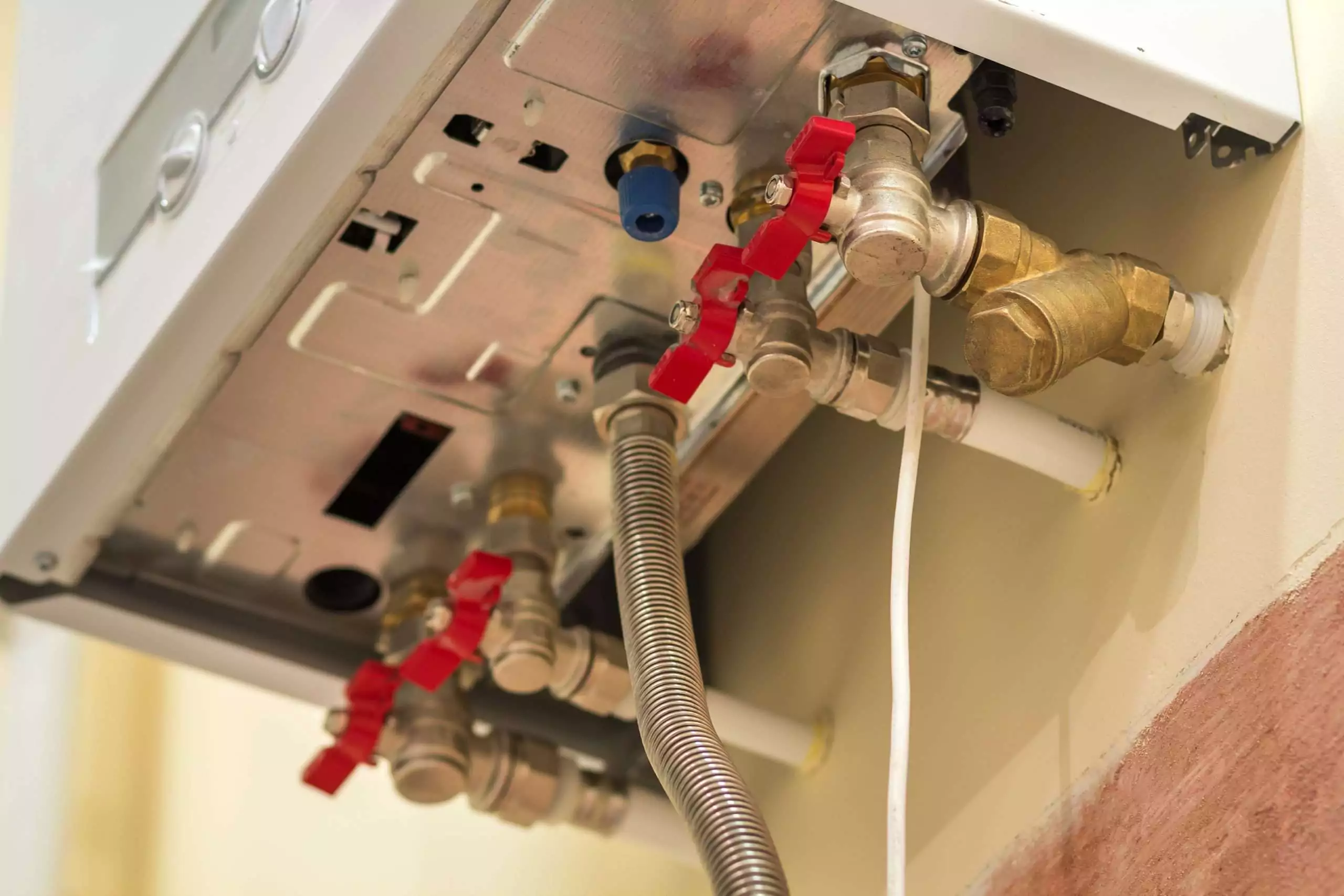
What “fast response” actually means for gas line work in Garland
Gas line installation cannot be truly “instant” – and any plumber who claims it can be is misrepresenting what gas work involves. Real gas line work requires: licensed Master Plumber with gas endorsement (Texas State Board of Plumbing Examiners requirement); proper permitting through the Garland building department; code-compliant materials and installation per IFGC, NFPA 54, IRC, and Texas Occupations Code 1301; pressure testing to verify integrity; inspection by the appropriate authority. Cutting corners on any of these creates safety risks including gas leaks, explosions, carbon monoxide poisoning, and code violations affecting insurance and resale.
What we CAN provide for Garland gas line installation: same-day or next-day assessment and quote for most scheduled work; efficient permit processing through Garland building department coordination; fast scheduling for confirmed projects; on-site readiness with tools, materials, and Master Plumber expertise; coordination with Atmos Energy for meter access when needed; complete project execution including permit closeout. This is responsiveness without compromise.
This guide covers gas line installation in Garland TX comprehensively: what gas line installation involves and when you need it, why Master Plumber with gas endorsement is required by Texas law, the 6 most common Garland gas line installation scenarios (water heater, range, dryer, fireplace, pool heater, backup generator), the complete proper installation process from assessment through inspection closeout, Atmos Energy coordination for meter and service issues, 2026 Garland pricing factors, code compliance and safety standards, warning signs that indicate gas line work is needed, emergency vs. scheduled work distinction, the 2021 freeze legacy affecting Garland gas systems, and JAP’s gas line capabilities. For Garland gas line installation call 214-918-6109.
Key takeaways
- Gas line work requires Master Plumber with gas endorsement in Texas (Texas State Board of Plumbing Examiners requirement under Texas Occupations Code 1301). Gas work without proper license is illegal and dangerous. Verify license at tsbpe.texas.gov before hiring anyone for gas work.
- “Instant” gas work doesn’t exist – all gas line installation requires permitting, code compliance, pressure testing, and inspection. What’s available is fast RESPONSE (same-day assessment) and efficient scheduling, not compromised process. Anyone claiming truly instant gas work is cutting corners on safety-critical requirements.
- 6 most common Garland gas line installation scenarios: gas water heater installation or replacement, gas range or cooktop installation, gas dryer installation, gas fireplace installation, gas pool heater installation, backup natural gas generator installation. Each has specific requirements for line sizing, valve placement, and code compliance.
- The complete proper process: assessment and quote, permit application through Garland building department, scheduling, on-site installation, pressure testing, building department inspection, permit closeout, documentation. For typical residential installation, total timeline 1-2 weeks from initial contact to permit closeout.
- Atmos Energy coordination required for meter shutoff or service connection changes. Plumbers experienced with Atmos Energy navigate the coordination efficiently. Timing typically aligns with installation scheduling.
- 2026 Garland pricing factors: scope of work (single appliance vs multiple), line length, accessibility, permit fees, inspection requirements. Single appliance hookup typically $300-$800; new line installation typically $500-$2,500; complex multi-appliance projects $1,500-$5,000+; whole-home gas system upgrade $3,000-$10,000+.
- Code compliance standards: International Fuel Gas Code (IFGC), NFPA 54 (National Fuel Gas Code), International Residential Code (IRC), Texas Occupations Code 1301. Garland building department enforces local adoption of these codes. Code-compliant work protects safety and insurance coverage.
- Warning signs requiring gas line attention: gas odor (rotten egg smell – emergency); hissing sounds near gas appliances or lines; dead vegetation along gas line path outside; physical damage to visible gas lines or fittings; appliance not working properly suggesting gas supply issues; planning new gas appliance installation.
- 2021 freeze legacy: gas line damage from the February 2021 freeze continues developing five years later. Garland homes with no comprehensive gas system assessment since 2021 may have developing issues. Stress on lines, transition points, and fittings from the freeze creates progressing problems.
- Call 214-918-6109 for gas line installation, replacement, repair, assessment, or emergency response in Garland and across Mesquite, Rowlett, Dallas, Plano, Richardson, Balch Springs, and Sunnyvale. James Armstrong – Master Plumber License M-39428 with gas endorsement, BBB A+ since 2018, 30+ years DFW experience.
Why Master Plumber with gas endorsement is required
The legal requirement
Under Texas Occupations Code 1301 and Texas State Board of Plumbing Examiners (TSBPE) regulations, gas line work requires:
- Master Plumber license OR Journeyman Plumber working under Master Plumber supervision
- Gas Pipe Installer or Gas Pipe Inspector endorsement (Master Plumber gas endorsement)
- Current license and endorsement status verifiable at tsbpe.texas.gov
Gas work performed by anyone without proper licensing is: illegal under Texas law; uninsurable in the event of accident or damage; voids manufacturer warranties on appliances; creates liability exposure for the homeowner if accident occurs.
The safety reason
Gas work has different risks than water plumbing:
- Gas leaks can cause fires, explosions, asphyxiation
- Carbon monoxide from improperly vented or installed appliances is deadly
- Pressure testing requires specific equipment and procedures
- Material specifications for gas piping are strict (black steel, CSST, etc., with specific fittings)
- Joint sealing requires gas-rated compounds, not general plumbing sealants
- Venting must meet specific clearance and routing requirements
Master Plumber gas endorsement requires demonstrated competency in all these areas through training, examination, and ongoing education. The endorsement exists because gas work safety requires this expertise level.
How to verify licensing
- Ask for Master Plumber license number and gas endorsement before any gas work
- Verify current status at tsbpe.texas.gov
- License number M-39428 (James Armstrong, JAP)
- Verification takes 30 seconds; protects against unlicensed gas work
6 most common Garland gas line installation scenarios
1. Gas water heater installation or replacement
What’s involved: gas line to water heater location, properly sized for unit BTU requirements, proper venting, valve installation, pressure testing.
Common Garland scenarios: replacing failing tank water heater; upgrading from electric to gas; converting tank to tankless (often requires larger gas line); replacing aging unit before failure.
Typical scope: connect existing gas line to new unit if line is properly sized; modify line if upgrading capacity (especially for tankless); install proper shutoff valve and union; pressure test.
Pricing factors: existing line condition and size; access to water heater location; venting requirements; permit fees.
2. Gas range or cooktop installation
What’s involved: gas line to range location with proper sizing; gas shutoff valve at accessible location; flexible connector for appliance connection; pressure testing.
Common Garland scenarios: kitchen renovation converting from electric to gas; replacing existing gas range with new unit; new range installation in remodeled kitchen.
Typical scope: extend existing gas line to range location if needed; install proper shutoff valve; connect appliance with code-compliant flexible connector; pressure test.
3. Gas dryer installation
What’s involved: gas line to dryer location; shutoff valve; flexible connector; pressure testing; ventilation check.
Common Garland scenarios: laundry room renovation; converting from electric to gas dryer for efficiency; replacing aging gas dryer.
Typical scope: similar to range installation; line capacity typically adequate from existing infrastructure.
4. Gas fireplace installation
What’s involved: gas line to fireplace location; shutoff valve accessible from outside fireplace structure; venting verification; pressure testing.
Common Garland scenarios: converting wood-burning fireplace to gas logs or gas insert; adding gas fireplace in renovation; replacing existing gas fireplace.
Typical scope: typically requires longer line run from gas service or branching from existing line; proper venting verification; coordination with fireplace contractor for unit installation.
5. Gas pool heater installation
What’s involved: gas line to pool equipment area (typically substantial line capacity for pool heater BTU); outdoor installation considerations; shutoff valve; pressure testing.
Common Garland scenarios: adding pool heater to existing pool; replacing failing pool heater; new pool construction with heater specification.
Typical scope: substantial line capacity required (pool heaters typically 200,000-400,000 BTU); long line run from gas service; outdoor-rated installation; coordination with pool contractor.
6. Backup natural gas generator installation
What’s involved: dedicated gas line to generator location; substantial line capacity (whole-home generators have very high BTU demand); shutoff and isolation; pressure testing; coordination with electrical contractor.
Common Garland scenarios: post-2021-freeze installation of backup generators (substantial increase in DFW area); pre-emptive installation for weather event preparedness; full home backup vs. essential circuits only.
Typical scope: long line run from gas service to generator location; line sizing critical (often requires larger service); coordination with electrical contractor for transfer switch; Atmos Energy coordination if service upgrade needed.
The proper installation process
Step 1: Assessment and quote
- On-site evaluation of existing gas system
- Determine line sizing requirements for intended use
- Identify line routing
- Verify existing gas service capacity (whole-home BTU demand vs. service)
- Identify any code compliance issues with existing system
- Detailed written quote with scope, materials, timing, pricing
Step 2: Permit application
- Permit application through Garland building department
- Plans showing scope and code compliance
- Typically 3-7 business days for permit issuance for residential gas work
- Permit fees vary by scope; typically $100-$400
Step 3: Scheduling and Atmos Energy coordination
- Schedule installation for available date after permit issuance
- If meter shutoff or service modification needed, coordinate with Atmos Energy
- Confirm appliance availability if installing new equipment
- Coordinate with other contractors if applicable (pool, generator, fireplace)
Step 4: On-site installation
- Gas shutoff to affected portion of system (or whole-home shutoff)
- Install proper materials (black steel, CSST as appropriate)
- Code-compliant fittings, valves, and connections
- Gas-rated thread sealant or gas-appropriate compression fittings
- Proper line routing per code
- Connection to appliance(s)
Step 5: Pressure testing
- System pressurized to specified test pressure (typically 1.5 times working pressure or 10 psi minimum, whichever greater)
- Pressure held for specified time (typically 15 minutes minimum)
- Visual inspection and leak detection (soap solution at joints, gas leak detector)
- Any leaks corrected; retest until passing
- Documented test results
Step 6: Building department inspection
- Schedule inspection with Garland building department
- Inspector verifies code compliance
- Inspector reviews pressure test documentation
- Inspection findings addressed if any noted
- Inspection passed before gas service restoration
Step 7: Service restoration
- Gas service restored (Atmos Energy coordination if applicable)
- Final appliance testing
- Pilot light or electronic ignition verification
- Operating verification
Step 8: Permit closeout and documentation
- Permit closed with successful inspection
- Documentation provided to homeowner including: written receipt with full business info, permit closeout documentation, warranty information, manufacturer documentation for any installed equipment
- Records support future property transactions and insurance claims
Total timeline
From initial contact to permit closeout: 1-2 weeks typical for residential gas line installation. Faster possible for urgent situations but minimum permit processing time applies.
Atmos Energy coordination
When Atmos Energy is involved
- Meter shutoff required for substantial work (most installations)
- Service capacity questions for high-demand additions (pool heater, generator)
- Meter upgrade if service capacity insufficient
- New service installation for properties without existing gas service
- Service line damage assessment
What plumber coordinates with Atmos
- Meter access arrangements
- Service capacity verification
- Scheduling around Atmos availability
- Documentation of any service-side work
Atmos contact
- Customer service: 888-286-6700
- Gas leak emergency: 866-322-8667 (24/7)
- Plumber-side coordination handled by JAP for Garland customers
2026 Garland gas line installation pricing
Single appliance hookup
Connecting new appliance to existing properly-sized gas line:
- Gas range/cooktop hookup: $300-$500
- Gas dryer hookup: $300-$500
- Gas water heater connection: $300-$700
- Permit fees: $100-$200 typical
New line installation
Extending gas line to new location or new appliance:
- Short line extension (existing line nearby): $500-$1,200
- Standard line installation (typical distance): $1,000-$2,500
- Long line installation: $2,000-$5,000+
- Permit fees: $200-$400 typical
Complex multi-appliance projects
- Multi-appliance gas system installation: $1,500-$5,000+
- Whole-home gas system upgrade: $3,000-$10,000+
- Service capacity upgrade with Atmos coordination: additional $500-$2,000+
Specialized installations
- Pool heater installation (gas line to outdoor equipment): $1,500-$3,500+
- Generator installation (gas line, not generator unit): $1,500-$4,000+
- Gas fireplace conversion: $800-$2,500+ depending on existing infrastructure
Additional considerations
- Permit fees vary by Garland building department schedule (typically $100-$400)
- Inspection fees may be included in permit
- Materials cost varies by line length and complexity
- After-hours or emergency work premium pricing applies
- Out-of-scope discoveries (existing code violations, damaged infrastructure) may require additional work
Code compliance and safety standards
Applicable codes
Gas line installation in Garland must comply with:
- International Fuel Gas Code (IFGC): governs gas piping installation, materials, sizing, joining methods, testing
- NFPA 54 (National Fuel Gas Code): complementary standard with similar but sometimes more detailed requirements
- International Residential Code (IRC): residential-specific code provisions including gas line requirements
- Texas Occupations Code 1301: state-level requirements for plumbing including gas work
- Garland local amendments: any local provisions adopted by Garland building department
Key code requirements
- Materials: black steel pipe (most common), CSST (corrugated stainless steel tubing) with bonding requirements, copper for specific applications with proper specifications
- Sizing: pipe diameter based on BTU demand at appliance and length of line
- Joints: threaded joints with gas-rated sealant; CSST fittings per manufacturer specifications
- Valves: shutoff valves at appliances and at strategic locations
- Pressure testing: required for all new installation
- Venting: combustion appliances require proper venting per code
- Clearances: gas lines kept proper distance from electrical, ignition sources, etc.
Why code compliance matters
- Safety: codes exist because gas accidents have killed people; compliance prevents accidents
- Insurance: insurance claims may be denied for damage from non-compliant work
- Resale: home inspections during sale identify non-compliant work; affects sale value and conditions
- Legal liability: homeowner liability if gas accident occurs from non-compliant work
- Long-term reliability: properly installed gas systems function safely for decades
Warning signs requiring gas line attention
Emergency signs (call 911, Atmos at 866-322-8667, then JAP at 214-918-6109)
- Strong rotten egg smell – gas leak with mercaptan additive providing characteristic odor
- Hissing sounds near gas lines, meters, or appliances
- Dead vegetation along gas line path outside (sometimes indicates underground leak)
- Visible damage to gas lines or meter
- Health symptoms consistent with gas exposure (headache, nausea, dizziness)
Non-emergency signs warranting professional attention
- Pilot lights repeatedly going out on gas appliances
- Yellow flames on gas appliances (indicates incomplete combustion)
- Soot accumulation near gas appliances
- Higher gas bills without lifestyle change
- Appliances not working at full capacity
- Visible rust or damage on gas fittings or valves
- Age of gas system – 30+ years without assessment
- Post-2021-freeze assessment if not done
2021 freeze legacy on Garland gas systems
The February 2021 freeze damaged Garland gas systems in ways that continue developing five years later. Common patterns:
- Freeze-stressed line joints failing slowly
- Transition point failures between materials
- Gas appliance damage from freeze stress affecting connections
- Outdoor line damage from extreme cold
- Pressure regulator damage
For Garland homes without comprehensive gas system assessment since 2021, freeze-related damage may be developing. Annual or biennial assessment by Master Plumber with gas endorsement identifies developing issues before they become emergencies. Post-2021 assessment is especially important for older homes with substantial original gas piping.
Garland service area context
Garland housing eras
Garland has substantial housing across multiple construction eras affecting gas system patterns:
- Pre-1960 Garland: original housing with substantial original gas piping; many systems 60+ years old; aging joints and fittings
- 1960s-1980s Garland: major suburban growth period; substantial gas piping installations; many systems 40-60 years old
- 1990s-2000s Garland: continued growth; modern installation standards; better materials
- 2000s+ Garland: current construction with current code compliance
JAP service in Garland
JAP serves Garland from our Mesquite headquarters – approximately 8-15 minutes typical response time depending on Garland neighborhood. As part of our core 8-city service area, Garland is home turf with substantial work history. Master Plumber James Armstrong has 30+ years of DFW gas line experience including extensive Garland project history.
Emergency vs. scheduled work distinction
Emergency situations (immediate response)
- Active gas leak (smell, sound, suspected)
- Recent gas-related incident
- Visible damage to gas infrastructure
- Health symptoms consistent with gas exposure
Emergency procedure: leave the home, call 911 and Atmos at 866-322-8667 from safe location, then call JAP at 214-918-6109 for follow-up assessment after area is secured.
Scheduled work (proper process)
- New gas line installation
- Appliance replacement or new appliance addition
- Renovation involving gas systems
- Preventive assessment
- Code compliance updates
- Service capacity upgrades
Scheduled work follows the proper 8-step process detailed earlier. Anything claiming to be “instant” for scheduled work is cutting corners on safety-critical requirements.
A 30-year DFW perspective on Garland gas line work
The patterns we see consistently in Garland: older homes with original gas piping benefit from periodic assessment and updates; newer homes with proper installation typically have minimal issues; renovation projects involving gas work benefit from professional planning and code compliance from the start. Cut corners on gas work create safety risks that may not become evident for years – but when they do, consequences can be severe.
The “instant” gas service marketing in our industry is misleading. Real gas work requires the proper process every time, regardless of urgency. What’s available is fast response and efficient scheduling – same-day assessment for most situations, prompt permit processing, efficient installation execution. What’s NOT available legitimately is bypassing permits, inspection, code compliance, or pressure testing. Anyone offering “instant” gas work that bypasses these is either misrepresenting their service or doing dangerous work that may pass initially but create future problems.
For 2026 and beyond, Garland gas line considerations: continued aging of pre-1990 housing stock creating more gas system update needs; ongoing 2021 freeze legacy developing into visible issues; growing demand for backup generators since the 2021 freeze; increasing prevalence of tankless water heaters requiring larger gas lines; evolving code requirements. The framework in this guide helps Garland homeowners plan gas line work properly and choose qualified providers appropriately.
When should you call James Armstrong Plumbing?
Call 214-918-6109 for any of the following Garland gas line needs:
- New gas appliance installation (range, dryer, water heater, fireplace, pool heater)
- Gas line replacement or extension
- Whole-home gas system upgrade or repipe
- Generator installation (gas line portion)
- Tankless water heater installation (often requires gas line upgrade)
- Gas system assessment for older Garland homes
- Post-2021-freeze comprehensive gas assessment
- Code compliance evaluation and updates
- Pre-purchase or pre-sale gas system evaluation
- Atmos Energy coordination for service changes
- Follow-up assessment after gas emergency (after 911 and Atmos have responded)
Master Plumber James Armstrong (License M-39428 with gas endorsement, BBB A+ since 2018, Mesquite Chamber member) and the JAP team provide comprehensive gas line services across Garland, Mesquite, Rowlett, Dallas, Plano, Richardson, Balch Springs, and Sunnyvale. For related guides, see our homeowner preparation for plumbing installation, qualified plumbing contractor guide, and gas line services.
Frequently asked questions
Do I need a permit for gas line work in Garland TX?
Yes. Gas line installation, modification, or replacement requires permit through Garland building department. The permit process: licensed Master Plumber with gas endorsement submits permit application; plans review by building department; permit issuance typically 3-7 business days; work performed under permit; building department inspection at appropriate stage; permit closeout with successful inspection. Permits cost typically $100-$400 depending on scope. Working without permits creates code violations affecting insurance, resale, and legal liability. Permitted work creates documentation supporting property records.
How fast can gas line installation be completed in Garland?
For most scheduled gas line work in Garland: total timeline from initial contact to permit closeout is 1-2 weeks typical. Components: same-day or next-day assessment and quote (fast response possible); permit processing 3-7 business days; scheduling installation after permit (typically within days of permit issuance); installation typically 4-8 hours for typical residential scope; inspection scheduling within 1-3 days; permit closeout same day or next day after inspection. “Instant” gas work is misleading – the proper process has minimum required time. What’s fast is response and scheduling efficiency.
How much does gas line installation cost in Garland TX?
2026 Garland gas line pricing varies by scope. Single appliance hookup to existing line: $300-$700 plus $100-$200 permit fees. New line installation: $500-$2,500 depending on length and complexity plus $200-$400 permit fees. Complex multi-appliance projects: $1,500-$5,000+. Whole-home gas system upgrade: $3,000-$10,000+. Pool heater installation: $1,500-$3,500+. Generator gas line installation: $1,500-$4,000+. Total project costs depend on existing infrastructure, scope, accessibility, and permit requirements.
Why does gas line work require a Master Plumber?
Texas Occupations Code 1301 requires gas line work be performed by Master Plumber with gas endorsement (or Journeyman under Master Plumber supervision). The requirement exists because gas work safety requires expertise level demonstrated by Master Plumber gas endorsement certification: training in gas codes (IFGC, NFPA 54, IRC), pressure testing procedures, proper materials and joining methods, venting requirements, leak detection. Gas accidents are deadly when they occur; the licensing requirement reduces accident rates substantially. Verify license at tsbpe.texas.gov before any gas work.
What’s the difference between gas line installation and gas line repair?
Installation: adding new gas line where none existed, or replacing existing line completely. Typically involves longer line runs, multiple components, permitting requirements, comprehensive testing. Repair: addressing specific issue with existing line – leak repair, fitting replacement, valve replacement, damage repair. Typically more localized scope. Both require Master Plumber with gas endorsement, code compliance, and proper testing. Permits required for both depending on scope (minor repairs sometimes don’t require permits; substantial work always does).
Can I install my own gas line?
No. Texas law (Texas Occupations Code 1301) requires gas line work be performed by licensed Master Plumber with gas endorsement. DIY gas work is illegal in Texas regardless of homeowner skill. Reasons: gas accidents are deadly; code compliance requires specific expertise; pressure testing requires specific equipment and procedures; insurance won’t cover damage from unlicensed work; legal liability if accident occurs. The licensing requirement exists to protect homeowners and the public. Any “DIY gas line” video or guide is recommending illegal and dangerous work in Texas.
How do I know if my Garland home has gas line problems?
Emergency signs (call 911 and Atmos at 866-322-8667 immediately): strong rotten egg smell, hissing sounds near gas lines, dead vegetation along gas line path outside, visible damage to gas lines, health symptoms consistent with gas exposure. Non-emergency signs warranting professional assessment: pilot lights repeatedly going out, yellow flames on gas appliances (incomplete combustion), soot accumulation, higher gas bills without lifestyle change, appliances not working at full capacity, visible rust on gas fittings, gas system 30+ years old without assessment, post-2021-freeze assessment if not done.
What about Atmos Energy – what does the plumber coordinate with them?
Atmos Energy is the gas utility serving Garland. For installation work, plumber coordinates: meter shutoff when needed (most substantial work); service capacity verification for high-demand additions (pool heater, generator); meter upgrade if service capacity insufficient; new service installation for properties without existing service. Customer doesn’t typically need to coordinate directly – experienced gas plumbers handle Atmos coordination. Atmos customer service: 888-286-6700. Emergency: 866-322-8667 (24/7).
How long does the actual installation take?
Installation time varies by scope. Single appliance hookup: 2-4 hours typical. New line to single appliance (typical distance): 4-8 hours typical. Multi-appliance installation: full day to multi-day. Whole-home gas system: multi-day project. Pressure testing adds 30-60 minutes to any installation. Inspection scheduling occurs after installation completion (typically 1-3 days for Garland building department). Permit closeout same day or next day after successful inspection.
What if I have an emergency need for gas line installation?
True emergencies (active leaks, fires, damage) require Atmos Energy and 911 response – not scheduled installation work. For non-emergency urgent needs (e.g., gas water heater failed, family needs hot water restored): same-day or next-day response possible for assessment; expedited permit processing may be possible; expedited installation scheduling possible. What CANNOT be expedited: permit issuance time (minimum required); pressure testing time (minimum required); inspection scheduling (subject to Garland building department availability). “Instant” gas work that bypasses these is doing dangerous and illegal work, not legitimately fast work.
This guide reflects 2026 Garland TX residential gas line installation considerations and code requirements. Individual projects vary; for specific assessment call 214-918-6109. Master Plumber license verification at tsbpe.texas.gov. Gas line work requires Master Plumber with gas endorsement; verify license status before hiring anyone.