
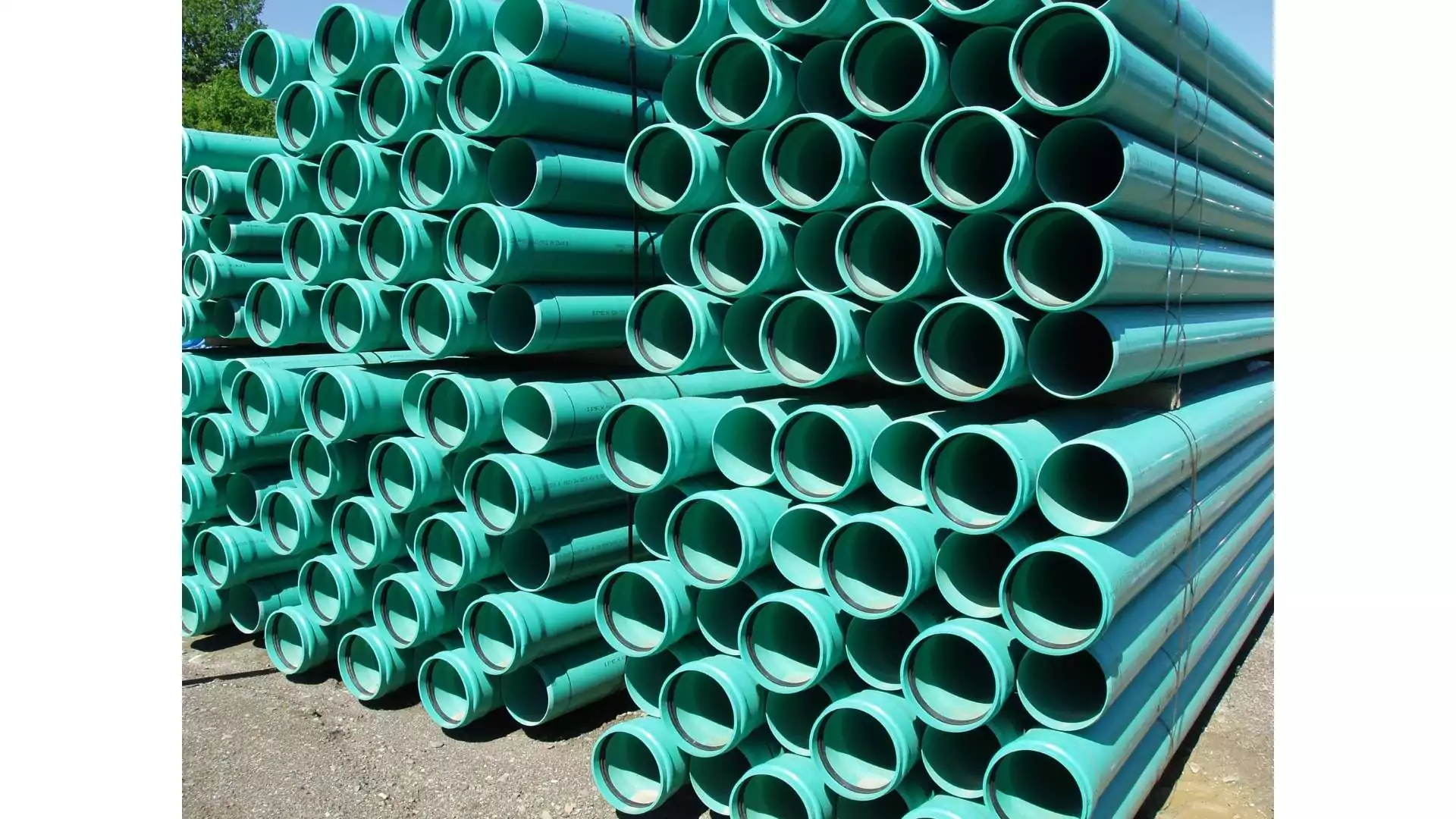
Look for grey flexible plastic pipe about half an inch to one inch across, at the water heater, at the main shutoff, at the water meter, and where supply lines enter from the wall under sinks. Polybutylene was installed in Texas homes built between roughly 1978 and 1996. It fails from the inside out, so it can look sound and still be near the end.
Key takeaways
- Polybutylene was manufactured from 1978 until mid-1995, with production ending in 1996.
- It is most often grey, but was also made in white, silver, black and blue. Blue was for outdoor cold water lines.
- It fails from the inside out, so a visual inspection cannot tell you how much life is left.
- No regulation requires you to replace it. The decision is about risk, insurance, and resale, not compliance.
- The class action settlement that paid out roughly $1 billion is closed. Replacement today is at the owner’s cost.
Why Were Polybutylene Pipes So Popular?
Polybutylene was a low-cost alternative to copper for residential water supply lines. It was flexible, resisted freezing better than rigid pipe, and installed quickly, which made it attractive to builders across the Sun Belt including Texas during a long construction boom.
At its peak it went into an estimated 6 to 10 million American homes. The brand name most often associated with it is Quest, sometimes written Qest.
Cost was the whole argument. Polybutylene was cheaper than copper per foot and faster to run, and in a period of high-volume tract construction that combination was decisive.
What Went Wrong With Polybutylene?
Chlorine and chloramines, the disinfectants used in municipal water treatment, react with the interior surface of the pipe. That reaction makes the pipe wall brittle and causes it to flake apart from the inside, and the resulting micro-fractures deepen over time until one reaches the outer wall.
This is why polybutylene is unusual among failed building materials. The damage accumulates on the surface you cannot see. A pipe can pass a visual inspection and fail weeks later.
Failures also cluster at fittings and joints. The original systems used acetal plastic fittings and metal bands, and those connections are frequently the first point of loss.
When a polybutylene line lets go, it usually lets go completely rather than weeping, which is why the damage is typically severe.
What Color Is Polybutylene Pipe?
Most often grey, but not always. Polybutylene was also manufactured in white, silver, black and blue, and blue polybutylene was generally used for outdoor cold water lines. Color alone is not a safe identification.
Check these characteristics together:
- Flexible plastic, roughly half an inch to one inch in diameter.
- Dull, matte surface rather than the glossy finish of newer plastics.
- Stamped markings along the pipe wall, often including a code beginning PB.
- Metal crimp bands at fittings, or plastic fittings with visible bands.
The stamped code is the reliable identifier. If the pipe carries a PB designation, it is polybutylene regardless of what color it is.
How Do You Identify Polybutylene Pipes?
Check the four places the pipe is normally visible: at the water heater, at the main shutoff valve, where the line enters at the water meter, and under sinks where supply lines come through the wall. Those are the points where supply piping is exposed in an otherwise finished house.
In North Texas homes there is a fifth place worth checking. Because houses here are built on slabs, supply lines commonly run overhead through the attic, so a look at the attic runs can tell you what material serves the whole house.
One caution about stub-outs. Many polybutylene systems were fitted with copper stub-outs at fixtures, so the short length of pipe you see under a sink can be copper while everything behind the wall is polybutylene. Seeing copper at a fixture does not clear the house.
If you cannot find any exposed supply line, the age of the house is the next best signal. A Mesquite-area home built between 1978 and 1996 is worth checking properly.
Is Polybutylene the Same as PEX?
No, and confusing the two is the most common identification mistake. Both are flexible plastic supply pipe, but PEX is a current, code-approved material and polybutylene is a discontinued one with a known failure mode.
The practical differences:
- Color coding. PEX is usually red, blue or white, with red and blue marking hot and cold. Polybutylene is usually grey.
- Surface. PEX has a smoother, slightly glossy finish. Polybutylene looks dull and chalky.
- Markings. PEX is stamped PEX along with a standard designation. Polybutylene carries a PB code.
- Age. PEX became common in American homes well after polybutylene production ended.
If a house was replumbed at some point you may find both. Our comparison of whole house repiping in PEX versus copper covers what a modern replacement uses.
Which Mesquite Neighborhoods Are Most Likely to Have Polybutylene?
Anywhere built during the construction wave between the late 1970s and the mid 1990s. Mesquite grew substantially in that window, so a large share of the housing stock falls inside the polybutylene era.
Build date is a better predictor than street name. Rather than working from a neighborhood list, check the year the house was built, then verify by looking at the pipe.
Two qualifiers matter. A home in that age range may already have been repiped, and a home just outside it may still contain polybutylene if a later addition or repair used leftover material. Verification beats assumption in both directions.
What Are the Risks of Keeping Polybutylene Pipes?
The main risk is a sudden failure rather than a slow leak, and the water damage that follows. Because the pipe degrades internally and fails abruptly, the typical outcome is a burst line rather than a drip somebody notices early.
The compounding risks:
- Water damage to ceilings, flooring and contents, which in an attic run means damage from above.
- Insurance complications, covered below.
- Resale friction, because buyers and inspectors know the material.
- Repeat failures, since the same conditions apply to every foot of pipe in the house.
A single failure is rarely the end of it. Once one section has become brittle, the rest of the system is the same age and has seen the same water.
Will Home Insurance Cover Polybutylene Pipes?
It varies by carrier, and it is worth asking before you need to. Some insurers decline to write new policies on homes with polybutylene supply lines, some charge more, and some cover the resulting water damage while excluding the cost of the pipe itself.
Ask your carrier three specific questions:
- Will you write or renew a policy on this house with polybutylene supply lines?
- If a polybutylene line fails, is the resulting water damage covered?
- Does replacing the system change the premium?
Get the answers in writing. The third question matters most, because a premium reduction can offset part of a repipe over time.
This is a question for your insurer rather than for a plumber. We can document what is installed, which is usually what the carrier asks for.
Are You Legally Required to Replace Polybutylene?
No. There is no regulation requiring a homeowner to replace polybutylene piping, a point InterNACHI states directly in its reference for inspectors. Modern plumbing codes no longer accept polybutylene for new installation, but existing systems are not required to come out.
That distinction matters when someone tells you the pipe is illegal. It is not. It is discontinued, no longer code-approved for new work, and widely regarded as a liability, which is different from being prohibited in a home that already has it.
The decision is therefore a risk judgment. Weigh the age of the system, whether it has already leaked, what your insurer says, and whether you plan to sell.
Can You Still Claim on the Polybutylene Class Action?
No. Class action lawsuits against the manufacturers succeeded and paid homeowners a total reaching roughly $1 billion, but that settlement program closed years ago and is not accepting new claims.
This comes up constantly, because searches for a polybutylene replacement program still return pages describing the historic settlement. There is no active manufacturer program paying for replacement today.
Replacement is now an owner cost, sometimes offset by an insurance position or negotiated in a sale.
How Much Does It Cost to Replace Polybutylene Pipes in Mesquite?
It depends on the size of the house, how many fixtures it serves, whether the lines run through the attic or the slab, and how much wall and ceiling has to be opened and made good. A repipe is priced per job rather than per foot, because access drives most of the labor.
The variables that move the number:
- Number of bathrooms and fixtures, which sets how many runs are needed.
- Attic versus slab routing, since an attic repipe avoids breaking concrete.
- Access, meaning how much drywall must come out and be repaired.
- Whether the work happens all at once or in stages.
For local rates across common plumbing work, see our plumber cost guide for Mesquite. For a specific number, the house has to be seen, and we provide written estimates for repiping in Mesquite.
Should You Replace Polybutylene if There Are No Leaks Yet?
Usually yes, and the reason is that absence of leaks tells you very little about polybutylene. The material degrades internally, so a system that has never leaked can still be brittle throughout.
Replacing before a failure has three advantages:
- You control the schedule rather than reacting to a burst line.
- You avoid the water damage, which frequently costs more than the repipe.
- You choose the scope, doing the whole house at once rather than repairing sections.
Waiting makes sense only in narrow cases, such as a house you are about to sell where the buyer will negotiate the work, or a property scheduled for major renovation that will open the walls anyway.
What Should You Do if You Find Polybutylene in Your Mesquite Home?
Confirm it, document it, and get a written estimate before deciding anything. Confirmation matters because copper stub-outs and later partial repipes make visual identification unreliable in both directions.
Work through it in order:
- Verify the material at several points, not one, including attic runs where accessible.
- Photograph the stamped markings on the pipe wall.
- Ask your insurer the three questions above, in writing.
- Get a written repipe estimate so the decision has a real number attached.
- Watch for early signs in the meantime: unexplained damp, staining on ceilings below attic runs, or a jump in the water bill.
If you are buying rather than owning, handle this before closing. A standard Texas property inspection reports what an inspector observes, and the Texas Real Estate Commission sets out where standard inspection scope ends, so specialised checks generally need to be requested.
If you already have signs of a leak, our guide to slab leak signs covers what to look for, and our pipe leak repair and repiping service covers Mesquite and the surrounding cities.
About James Armstrong Plumbing
James Armstrong Plumbing has served Mesquite and the Dallas area since 1995. James Armstrong is a Texas Master Plumber, license M-39428 with a gas endorsement, and the company has held BBB A+ accreditation since 2018.
We offer same-day service for calls placed before noon, Monday through Friday. A $132 (5–10 PM) or $184 (10 PM–8 AM) fee applies to after-hours calls.
844 Dalworth Dr, Suite 10, Mesquite, TX 75149 214-918-6109
This article is general information, not professional advice. Insurance positions vary by carrier, and coverage questions should be directed to your insurer.