
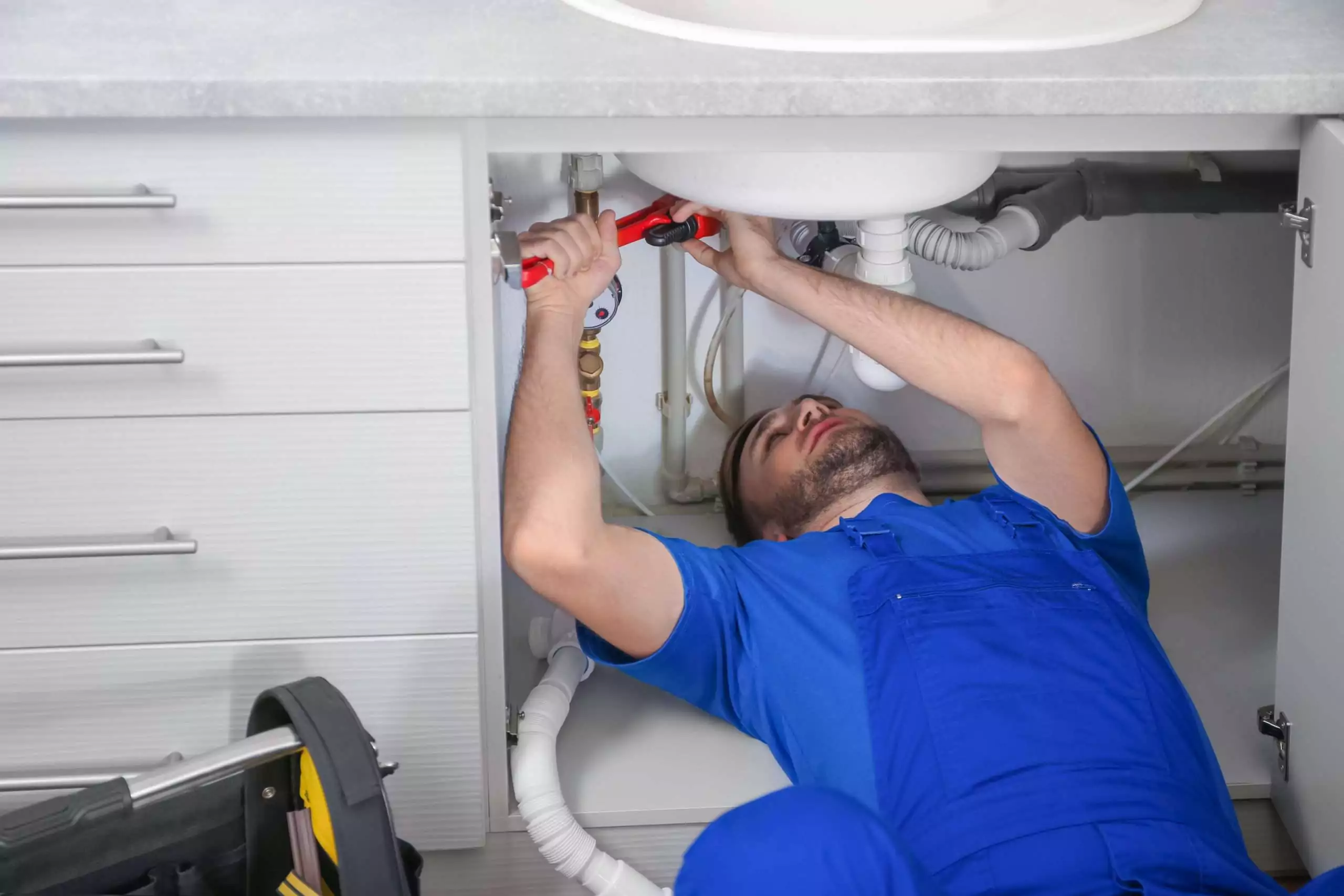
What “best plumber” actually means in Grand Prairie
“Best plumber in Grand Prairie” is a frequent search but a slippery concept. Best at what? Fastest response time? Lowest price? Most thorough work? Best for emergencies vs. planned projects? Best for residential vs. commercial? Best for older Grand Prairie homes vs. new construction? Different homeowners need different things, and the “best” plumber for one situation may not be the best for another. What every Grand Prairie homeowner can demand, regardless of their specific situation, is a qualified plumber – licensed, insured, experienced, with verifiable credentials and ethical business practices.
Grand Prairie has a substantial inventory of older homes – many from the 1960s through 1980s – alongside newer developments. The plumbing systems vary accordingly: older homes often have cast iron drain stacks and may have galvanized water supply; newer homes use modern materials like PEX and PVC. The plumber’s experience with each housing era matters significantly for the quality of work. A plumber experienced primarily in new construction may struggle with the realities of cast iron stack replacement in a 1970s Grand Prairie ranch home. A plumber experienced primarily in repair work in older homes may not be the best choice for new construction kitchen plumbing in a 2024 build.
This guide covers how Grand Prairie homeowners can find a qualified plumber who matches their specific needs. It covers the eight verification standards every Grand Prairie homeowner should check, the red flags that indicate unqualified or unethical operators (including the storm-chaser problem that affects Grand Prairie like the rest of DFW), the questions to ask during initial contact, Grand Prairie-specific considerations (water characteristics, housing stock variation, the city’s building department), and the resources for independent verification. JAP serves Grand Prairie and the broader DFW area – we’re one qualified option among many, and we trust our credentials to compare favorably to any alternative a homeowner evaluates using the standards in this guide.
Key takeaways
- Texas plumbing license verification is free, takes 30 seconds, and is the single most important check. Visit tsbpe.texas.gov, look up the contractor by name or license number, verify active license status and required specialty endorsements.
- Grand Prairie spans three counties (Dallas, Tarrant, Ellis) with substantial geographic spread and varied housing stock. A plumber serving Grand Prairie should know the city’s housing characteristics and building department processes.
- Older Grand Prairie homes (pre-1980) often have cast iron drain stacks and galvanized supply lines requiring specific expertise. Newer homes use modern materials with different considerations.
- Grand Prairie water comes from multiple sources with hardness ranging similar to surrounding DFW cities. Hard water affects fixture selection and water heater maintenance.
- Grand Prairie has its own building department with permit requirements distinct from Dallas, Arlington, and Irving. Qualified plumbers know the Grand Prairie-specific process.
- Red flags for unqualified plumbers: unwillingness to pull permits, cash-only requirements, no verifiable physical address, license claims that can’t be verified, door-to-door solicitation (especially post-storm), high-pressure sales tactics, dramatically lower estimates than competitors.
- Storm-chasers operate in Grand Prairie during weather events. Out-of-state plates, no permanent local address, and disappearance after payment are warning signs that intensify after major storms.
- Call 214-918-6109 for plumbing service in Grand Prairie and across the DFW area – James Armstrong Plumbing, Master Plumber License M-39428, BBB A+ since 2018, 30+ years experience, fully insured, all work permitted and inspected.
The eight verification standards for Grand Prairie plumbers
Standard 1: Texas plumbing license verification
Texas requires plumbers to be licensed by the Texas State Board of Plumbing Examiners (TSBPE). License verification is free and takes about 30 seconds at tsbpe.texas.gov. Look for:
- License is “Active” or “Active in Good Standing”
- License type: Master Plumber (RMP), Journeyman Plumber, or Tradesman Plumber-Limited
- License expiration date is in the future
- Name on the license matches the contractor
- Required specialty endorsements (gas, backflow) are included for the work you need
Example: JAP’s Master Plumber License M-39428 with gas endorsement is verifiable in 30 seconds at tsbpe.texas.gov. Any qualified contractor serving Grand Prairie should pass the same check. Contractors who cannot or will not provide license information for verification should be eliminated immediately.
Standard 2: License tier and specialty endorsements
Texas plumbing licenses come in tiers with specific scope of authority:
- Master Plumber (RMP): highest license tier; can pull permits, operate as a contractor, supervise journeymen. Prefix M.
- Journeyman Plumber: works under Master Plumber supervision. Prefix J.
- Tradesman Plumber-Limited: more limited scope.
Specialty endorsements: gas endorsement is required for all natural gas and propane work; backflow endorsement is required for backflow assembly installation and certification; medical gas endorsement is required for medical gas systems. Verify the contractor’s license includes any specialty endorsement your work requires.
Standard 3: Insurance verification
Plumbers should carry general liability insurance ($300,000-$1,000,000 minimum) and workers compensation. Request a Certificate of Insurance (COI) before work begins. The COI shows: insurance carrier, policy numbers, coverage amounts, expiration dates. Reputable carriers and adequate coverage are quality signals. Contractors who can’t or won’t provide COI documentation are a significant red flag.
Standard 4: Experience with Grand Prairie housing stock
Grand Prairie has substantial variation in housing stock – older homes from the 1960s-1980s and newer developments. The plumber’s experience with each era matters:
- For older home repairs and remodels: experience with cast iron drain stacks, galvanized water supply, outdated venting configurations, transition fittings between legacy and modern materials. Ask: how many older Grand Prairie homes have you worked on this year?
- For newer construction: experience with PEX installations, modern fixtures, current code requirements. Ask: how many new construction kitchen rough-ins per year?
- For specific work types: gas line work (gas endorsement required), sewer line work (especially in homes with mature trees and aged sewer connections), water heater installations (gas and electric, traditional and tankless), commercial work (different code requirements).
Standard 5: Independent reviews and reputation
Online reviews provide useful but imperfect information. Use as one input among several.
- Better Business Bureau (BBB): BBB-accredited businesses with current ratings are more accountable. Check for: accreditation status, A+ rating, complaint history and resolution, profile completeness.
- Google reviews: useful for general experience patterns but susceptible to manipulation. Look at total volume, distribution (suspicious if all 5-star with no critical), specific content (detailed accounts are more informative than generic praise), how the business responds to negative reviews.
- Specialty platforms: Angi, HomeAdvisor, Yelp, Nextdoor. Each has business model considerations affecting rankings. Use as one input, not sole basis for decision.
Example: JAP has been BBB-accredited with A+ rating since 2018, verifiable at the BBB website. The profile shows physical address (844 Dalworth Dr Suite 10, Mesquite TX), license information, years in business, and complaint history. Any contractor serving Grand Prairie should have similar profile transparency.
Standard 6: Written estimates
Verbal estimates lead to disputes; written estimates protect both parties. A quality estimate includes: itemized scope of work, materials specifications, labor and material costs (or total fixed price), timeline expectations, payment terms, warranty terms, exclusions, permit and inspection arrangements, contractor’s license number and insurance information, both parties’ signatures. Red flags: verbal-only estimates, vague scope, pressure to sign immediately, dramatically lower price than competitors, “cash discount” requirements.
Standard 7: Permit handling
The contractor’s approach to permits is a key quality signal. Qualified contractors: determine what permits are required, pull permits in their own name (Master Plumbers can), coordinate inspection scheduling, are present during inspections, provide permit and inspection documentation, close permits properly. Red flags: contractor suggests skipping permits to save money, claims work doesn’t require permits when it does, wants to start before permits are pulled.
Grand Prairie has its own building department with specific permit and inspection processes. A plumber experienced in Grand Prairie knows these processes; one unfamiliar may struggle with permits or suggest skipping them.
Standard 8: Warranty and after-service
Quality contractors stand behind their work. Workmanship warranty: typically 1 year for routine repairs, 1-2 years for installations, longer for specific work types. Material warranties: manufacturer warranties on equipment used. After-service responsiveness: ask references about warranty experience. Documentation: complete records provided upon work completion (permits, warranties, materials, photographic documentation).
Grand Prairie-specific considerations
Grand Prairie housing stock variation
Grand Prairie has substantial inventory across multiple housing eras with characteristic plumbing patterns:
Pre-1970 homes
- Cast iron drain stacks: standard for the era; varying condition based on maintenance history and water quality exposure
- Galvanized water supply: increasingly problematic with age due to internal corrosion; replacement often advisable during remodels
- Original fixtures: often replaced over decades; current condition varies
- Slab vs. pier-and-beam: some pre-1970 Grand Prairie homes have pier-and-beam foundations with different plumbing access patterns than slab
1970s-1980s homes
- Cast iron and ABS drain combinations: transition era materials
- Copper water supply: standard for the era; generally good condition with some failure mode awareness
- Original water heaters: long past replacement age; many already replaced
- Slab foundations dominate this era of Grand Prairie construction
1990s-2000s homes
- PVC drain lines standard
- Copper or early PEX water supply
- Newer fixtures and water heaters
- Often well-maintained with original systems still functional
2010s+ homes
- PEX water supply dominant
- Modern fixtures with ceramic disc cartridges
- Tankless water heaters more common
- Higher efficiency standards affecting fixture and appliance selection
Water characteristics
Grand Prairie’s water supply comes from multiple sources depending on neighborhood. Water hardness is generally moderate (similar to surrounding DFW cities at 8-12 grain typical). Hard water effects: ceramic disc faucets last longer than rubber compression valves; water heaters require annual flushing for sediment management; dishwashers may benefit from rinse aid; water filtration is common for drinking water quality.
Grand Prairie building department
Grand Prairie has its own building department with permit requirements and inspection processes. The processes are distinct from Dallas (which Grand Prairie partially overlaps in Dallas County) and from Arlington (the neighboring Tarrant County city). Qualified plumbers serving Grand Prairie know the city’s specific requirements. Most residential plumbing permits issue within 1-3 business days; inspections typically schedule within similar timeframes.
Tree coverage and sewer considerations
Grand Prairie’s older neighborhoods often have mature tree coverage that creates sewer line considerations. Tree roots can infiltrate aged sewer lines through joints or cracks. Camera inspection during home purchase or before major work identifies root intrusion. Common issues: oak roots in sewer lines, redbud and mulberry root intrusion in older neighborhoods, mature elms with extensive root systems. See our resources on sewer line work for related context.
February 2021 freeze legacy in Grand Prairie
Grand Prairie experienced significant damage during the February 2021 Texas winter storm, similar to surrounding DFW cities. Damage patterns continue to surface in 2026 service calls: developing leaks from cracked pipes that initially held, water heater failures from freeze damage compounding over years, backflow preventer failures, gas system damage with delayed-onset issues. Grand Prairie homes that experienced significant 2021 freeze damage benefit from comprehensive plumbing assessment to identify weakened components proactively.
Red flags for unqualified Grand Prairie plumbers
License and credential red flags
- Cannot or will not provide license number for verification at tsbpe.texas.gov
- License lookup shows no match, expired, inactive, or revoked status
- Required specialty endorsement missing (especially gas)
- Wrong license tier for the work scope
Business operation red flags
- No verifiable physical address (just a PO box or vehicle magnetic signs)
- Out-of-state vehicle plates at a Texas job
- Cash-only payment requirements or strongly preferred
- No business email or only personal email
- Cannot provide insurance documentation
- Very new business with no Grand Prairie or DFW track record
Sales tactic red flags
- Door-to-door solicitation (especially after storm events)
- High-pressure tactics demanding immediate decisions
- “Special pricing today only” framing
- Unsolicited claims of damage
- Requests for full payment upfront before work begins
- Dramatically lower estimate than reputable competitors
Process red flags
- Suggests skipping permits in Grand Prairie
- Cannot explain Grand Prairie building department processes
- Refuses written estimates
- Cannot provide references
- References cannot be verified or are reluctant to discuss work
- Wants to start immediately without proper preparation
The storm-chaser problem in Grand Prairie
Major weather events attract opportunistic contractors who travel to affected areas, perform substandard work for cash, and disappear. Grand Prairie has been affected by storm-chasers during multiple weather events including the 2021 freeze and subsequent severe weather. The pattern continues during any major event.
Storm-chaser characteristics to recognize
- Out-of-state vehicle license plates
- No permanent local Grand Prairie or DFW address
- Door-to-door solicitation in affected neighborhoods
- Cash payment preferred or required
- Cannot verify Texas plumbing license at tsbpe.texas.gov
- Unwilling to pull permits with Grand Prairie building department
- Disappear after payment, can’t be reached for warranty issues
- Sometimes use names similar to legitimate local contractors
How storm-chasers harm Grand Prairie homeowners
- Substandard work that creates safety risks (especially gas work)
- Unpermitted work creating property transaction problems
- Material substitution (lower quality than promised)
- Inflated pricing taking advantage of urgent situations
- No warranty support after disappearance
- Sometimes outright fraud
Protection from storm-chasers
- Don’t hire contractors who came to you door-to-door
- Verify Texas plumbing license at tsbpe.texas.gov before any decision
- Insist on written estimates from contractors with verifiable Grand Prairie or DFW addresses
- Get references from local jobs
- Don’t pay full price upfront
- Use established local contractors with verifiable track records
Questions to ask Grand Prairie plumbers
Credential questions
- What is your Texas plumbing license number? (verify at tsbpe.texas.gov)
- Are you a Master Plumber or Journeyman?
- Do you have a gas endorsement (if needed)?
- How long have you been licensed?
Business and experience questions
- What’s your business address?
- How long have you been serving Grand Prairie?
- How many Grand Prairie jobs do you do per year?
- Do you carry general liability and workers comp insurance?
- Can you provide a Certificate of Insurance before work begins?
Project-specific questions
- Can you provide a written estimate for this work?
- What permits will be required from Grand Prairie building department?
- Will you pull the permits and coordinate inspections?
- What materials will you use?
- What’s your warranty?
- Can you provide references from similar Grand Prairie projects?
Older home experience questions (if applicable)
- What’s your experience with cast iron drain stacks in older Grand Prairie homes?
- Have you worked on galvanized supply line replacements?
- How do you handle transition fittings between legacy and modern materials?
2026 DFW area plumbing pricing (Grand Prairie context)
Standard service categories
- Service call (non-emergency): $100-$200
- Emergency service call: $200-$700
- Holiday/weekend emergency premium: additional $100-$300
Common residential work
- Water heater replacement (40-50 gal gas): $1,200-$2,500
- Water heater replacement (40-50 gal electric): $1,000-$2,200
- Tankless water heater replacement: $2,500-$5,000+
- Toilet replacement: $300-$800 plus toilet cost
- Faucet replacement (professional): $200-$500 plus faucet cost
- Sink replacement: $400-$1,500 plus sink cost
- Garbage disposal replacement: $200-$500 plus disposal cost
- Drain cleaning (single drain): $200-$500
- Sewer line clearing (main): $200-$1,200
- Hydro-jetting: $400-$1,200
- Camera inspection: $300-$600
Major scope
- Sewer line repair: $1,500-$15,000+ depending on access and scope
- Sewer line replacement (trenchless): $4,000-$25,000+
- Slab leak repair: $1,500-$8,000+
- Whole-home repipe: $8,000-$25,000+
- Major freeze damage restoration: $3,000-$25,000+
Permit and inspection
- Grand Prairie residential permits: $100-$400 depending on scope
- Inspections: typically included in permit costs
How James Armstrong Plumbing serves Grand Prairie
JAP is headquartered in Mesquite at 844 Dalworth Dr Suite 10 and serves the broader DFW area including Grand Prairie. Our specifics:
- Texas Master Plumber License M-39428 with gas endorsement – verifiable at tsbpe.texas.gov
- 30+ years in business serving DFW (since 1995)
- BBB A+ accredited since 2018
- Fully insured with general liability and workers compensation
- Service area includes Grand Prairie, Mesquite, Garland, Rowlett, Dallas, Plano, Richardson, Balch Springs, Sunnyvale, and surrounding DFW area
- Specializations: residential and commercial plumbing; gas line work; sewer line work including trenchless methods; water heater installation including tankless; drain cleaning including hydro-jetting; emergency response 24/7
- Documentation standards: written estimates, permits pulled and inspections coordinated, manufacturer warranties provided, workmanship warranty in writing
JAP isn’t the only qualified plumber serving Grand Prairie – there are other qualified options including local Grand Prairie-based plumbers. The verification standards in this guide will identify the qualified options including us. We trust our credentials to compare favorably against any alternative a Grand Prairie homeowner evaluates using the same standards.
A DFW-area perspective on Grand Prairie plumbing service
Grand Prairie sits in a complex part of DFW geographically and demographically. The city spans three counties, includes substantial older housing stock alongside newer development, and has its own building department with specific processes. Quality plumbing service in Grand Prairie requires understanding the city’s characteristics – which differs from understanding Mesquite, Dallas, or Arlington characteristics. Plumbers serving Grand Prairie effectively know the city’s housing patterns, water characteristics, building processes, and neighborhood-specific considerations.
The Grand Prairie residential plumbing market in 2026 reflects broader DFW patterns: aging systems in older neighborhoods requiring increasing repair work, freeze damage legacy continuing to surface, evolving code requirements, and ongoing new construction creating installation work. The market has many qualified contractors and unfortunately also storm-chasers and underqualified operators. The homeowner’s challenge is distinguishing the qualified from the unqualified through systematic verification.
For 2026 and beyond, the considerations for Grand Prairie homeowners are: contractor licensing systems continue to provide free verification (tsbpe.texas.gov); review platforms have proliferated with mixed reliability; storm-chasers continue to operate during weather events; legitimate established contractors with verifiable credentials remain the safest choice across nearly all situations.
When should you call James Armstrong Plumbing?
Call 214-918-6109 for any of the following in Grand Prairie or anywhere in the DFW area:
- Emergency plumbing requiring 24/7 response
- Water heater repair, replacement, or installation
- Drain cleaning and hydro-jetting
- Sewer line work including camera inspection and repair
- Gas line work (requires gas endorsement)
- Kitchen and bathroom plumbing installation
- Whole-home repipe assessment
- Slab leak detection and repair
- Older Grand Prairie home plumbing assessment
- Post-2021 freeze damage assessment
- Pre-purchase home inspection plumbing review
- Permits and inspection coordination for plumbing work
Master Plumber James Armstrong (License M-39428 with gas endorsement, BBB A+ since 2018) and the JAP team provide plumbing services in Grand Prairie and across DFW. For related guides, see our qualified plumbing contractor selection guide and our plumbing emergencies guide. Service areas: Grand Prairie, Mesquite, Garland, Rowlett, Dallas, Plano, Richardson, Balch Springs, Sunnyvale, and surrounding DFW.
Frequently asked questions
How do I find the best plumber in Grand Prairie, TX?
Apply the eight verification standards: license verification at tsbpe.texas.gov, license tier and specialty endorsement understanding, insurance verification with Certificate of Insurance, experience with Grand Prairie housing stock (especially older homes if applicable), independent reviews and reputation, written estimates, permit handling, warranty and after-service standards. Avoid storm-chasers (out-of-state plates, door-to-door solicitation, cash-only) and high-pressure operators. Establish a relationship before you need emergency service if possible.
Does the same plumbing contractor work for older and newer Grand Prairie homes?
Many qualified contractors work across housing eras, but the depth of experience matters. Older Grand Prairie homes (pre-1980) often have cast iron drain stacks and galvanized supply lines requiring specific expertise with legacy materials and transition fittings. Newer homes use PEX, modern fixtures, and current code requirements. Ask contractors about their specific experience with your home’s era. A contractor whose work is primarily new construction may struggle with older home complexities; one experienced primarily in repair work may not be the best choice for new construction.
How do I verify a Grand Prairie plumber’s license?
Visit tsbpe.texas.gov, use the license lookup function, enter the contractor’s name or license number. Verify: license is active, license type is appropriate (Master Plumber or Journeyman), expiration is in the future, name matches, required specialty endorsements (gas, backflow) are included. The verification is free and takes about 30 seconds. Contractors who can’t or won’t provide license information for verification should be eliminated immediately.
What permits does Grand Prairie require for plumbing work?
Most plumbing installation work beyond simple fixture replacement requires permits from the Grand Prairie building department. The licensed plumber pulls permits as part of their service. Inspections at appropriate stages verify code compliance. Specific requirements available from the Grand Prairie building department. Work performed without required permits creates regulatory exposure, insurance issues, and property transaction complications. For fixture-level work, permits may not be required – confirm with your plumber or the building department.
How much does plumbing work cost in Grand Prairie?
2026 DFW area pricing varies dramatically with scope. Service call: $100-$200. Water heater replacement: $1,200-$5,000+ depending on type. Drain cleaning: $200-$1,200. Sewer line work: $1,500-$25,000+ depending on scope and access. Gas line work: $250-$5,000+ depending on scope. Major projects: $5,000-$25,000+. Permits add $100-$400. Pricing in Grand Prairie is broadly similar to surrounding DFW cities; dramatically lower estimates than reputable competitors are red flags, not deals.
Are there special considerations for older homes in Grand Prairie?
Yes. Pre-1980 Grand Prairie homes typically have cast iron drain stacks and may have galvanized water supply with internal corrosion. Remodel considerations: assess existing materials during planning, budget for transition fittings between legacy and modern materials, consider stack replacement if cast iron condition is poor, consider supply line upgrade from galvanized during remodel. Newer homes (2000s+) have different considerations focused on modern materials and current code.
What about storm-chaser plumbers in Grand Prairie?
Storm-chasers travel to weather-affected areas, perform substandard work for cash, and disappear. Grand Prairie has been affected during 2021 and subsequent weather events. Warning signs: out-of-state vehicle plates, no permanent local address, door-to-door solicitation, cash-only payment requirements, license can’t be verified, unwillingness to pull permits. Don’t hire door-to-door contractors. Verify licenses before any decision. Use established local contractors with verifiable track records.
How does Grand Prairie water quality affect plumbing?
Grand Prairie’s water hardness is moderate (typically 8-12 grain), similar to surrounding DFW cities. Effects on plumbing: ceramic disc faucets last longer than rubber compression valves with hard water; water heaters require annual flushing for sediment management; dishwashers may benefit from rinse aid; water filtration for drinking water is common. These are typical DFW patterns rather than Grand Prairie-specific.
Should I get multiple estimates for plumbing work in Grand Prairie?
For larger projects (major installations, sewer work, significant gas work): yes, 2-3 estimates from qualified contractors. Compare scope, materials, timing, and warranty – not just price. For emergency situations: time may not allow multiple estimates, which is why pre-emergency contractor research matters. For routine work: established relationships often serve better than constant re-bidding. Dramatically lower estimates than reputable competitors are red flags, not deals.
How does JAP serve Grand Prairie if you’re headquartered in Mesquite?
JAP serves the broader DFW area from our Mesquite headquarters. Grand Prairie is approximately 18-30 miles from Mesquite depending on neighborhood and is within our service area. Service calls are scheduled and coordinated like any other DFW area work. Our Master Plumber license is valid throughout Texas. We pull Grand Prairie permits and coordinate Grand Prairie inspections like local Grand Prairie plumbers do. JAP is one qualified option for Grand Prairie homeowners; the verification standards in this guide will identify other qualified options including local Grand Prairie-based plumbers, and any homeowner evaluating us against alternatives using these standards will reach informed conclusions.
This guide reflects 2026 DFW area plumbing market conditions and consumer protection best practices. Specific requirements at the Grand Prairie building department may change; verify current requirements through the city. License verification at tsbpe.texas.gov is the foundational verification step for any Texas plumbing contractor.