
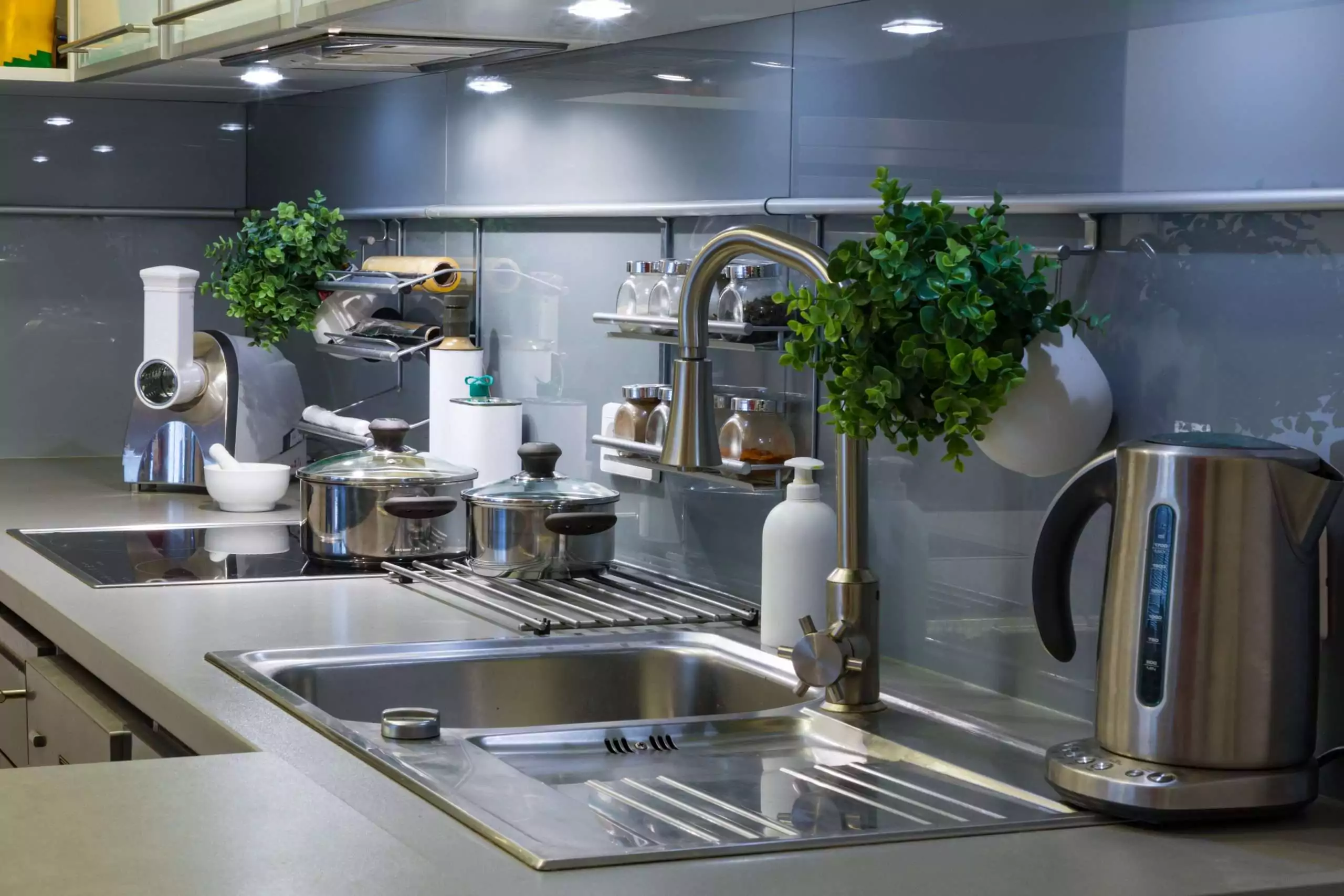
Kitchen plumbing problems that homeowners often ignore rarely start as emergencies. A slow drain, small drip under the sink, or occasional odor may seem harmless at first, but these early warning signs often signal deeper plumbing issues. Acting quickly helps prevent cabinet damage, mold growth, rising water bills, and unexpected repair costs.
At James Armstrong Plumbing, technicians frequently find that kitchen plumbing emergencies develop from minor symptoms that were easy to fix early. Understanding what to watch for helps homeowners protect both their plumbing system and the heart of their home.
Why Small Kitchen Plumbing Issues Become Big Repairs
Kitchen plumbing handles heavy daily use, such as grease, food debris, detergents, and temperature changes, which all stress pipes and fixtures. Over time, buildup forms inside drains, seals wear down, and connections loosen. Ignoring early problems often leads to pipe corrosion, cabinet water damage, or sewer backups that require extensive repairs.
Common Kitchen Plumbing Problems Homeowners Overlook
Early symptoms may appear minor, but they often signal developing plumbing failures.
a. Slow or Frequently Clogged Drains
Grease buildup and food particles gradually restrict pipes. Chemical cleaners may offer temporary relief, but they often damage pipes and worsen long-term blockage.
b. Dripping Faucets or Loose Fixtures
A small faucet drip wastes significant water over time and usually indicates worn cartridges or valve seals.
c. Garbage Disposal Problems
Grinding noises, lingering odors, or frequent resets often mean internal wear or trapped debris inside the disposal unit.
d. Water Under the Sink
Damp cabinet floors or warped shelving usually come from slow leaks around supply lines or drain connections.
e. Persistent Odors From the Sink
Foul smells may signal trapped organic debris, venting problems, or sewer gas entering through failing seals.
Warning Signs That Require Immediate Attention
Before the checklist below, remember this: ignoring recurring symptoms almost always leads to more expensive repairs later.
- Sudden drops in water pressure at the kitchen faucet.
- Water stains or swelling inside cabinets.
- Mold or mildew smells near sinks.
- Gurgling sounds when draining water.
- Multiple fixtures are backing up at once.
- Visible corrosion on exposed piping.
- Dishwasher is draining slowly or backing up into the sink.
Hidden Causes Behind Kitchen Plumbing Failures
Many problems begin out of sight. Grease solidifies deep inside pipes, dishwasher hoses loosen over time, and garbage disposal vibrations weaken fittings. Aging supply lines may crack without an obvious warning. Routine inspections help identify hidden risks before water damage spreads.
How Professional Diagnosis Helps
A professional plumber evaluates pipe condition, drain flow, venting systems, and appliance connections. Camera inspections can identify buildup or damage inside lines without tearing into walls. Early service prevents repeat clogs and extends plumbing lifespan.
Preventive habits that protect your kitchen plumbing:
- Avoid pouring grease or oils down drains.
- Use sink strainers to catch food debris.
- Run cold water while operating garbage disposals.
- Check cabinet interiors monthly for moisture.
- Schedule yearly professional plumbing inspections.
When Repairs Turn Into Replacement Decisions
If pipes repeatedly clog, leak, or show corrosion, replacement may be more cost-effective than ongoing repairs. Upgrading older fixtures or supply lines can improve efficiency and prevent sudden failures during heavy use periods.
Conclusion
Kitchen plumbing rarely fails without warning. Slow drains, odors, leaks, and unusual noises are early signals that something needs attention. Addressing problems early keeps repair costs manageable and protects cabinets, flooring, and appliances from water damage.
Contact James Armstrong Plumbing at 214-918-6109 today to schedule a professional kitchen plumbing inspection and prevent small issues from becoming major repairs.
Everything You Need To Know Before You Book
Grease buildup, food debris, soap residue, and improper disposal are the most common causes in Mesquite, TX. Professional cleaning removes deep blockages.
Yes, even small leaks waste water and may indicate worn internal parts that can suddenly fail.
Most homes in Mesquite, TX, benefit from a yearly inspection, especially if the kitchen is heavily used or the plumbing system is older.
Improper use or worn disposal components can loosen fittings and create leaks over time.